Robert Durst Net Worth in 2026: Estimate and What Happened to His Money
Robert Durst’s finances are unusually hard to summarize because his wealth story blends inherited real estate money, a documented family buyout, and years of legal battles that followed him to the end of his life. If you’re searching robert durst net worth, the key point is this: there’s no single verified public “final number,” but the most commonly repeated estimate places him in the tens of millions at the time of his death, with the estate still tangled in claims and litigation.
Who Was Robert Durst?
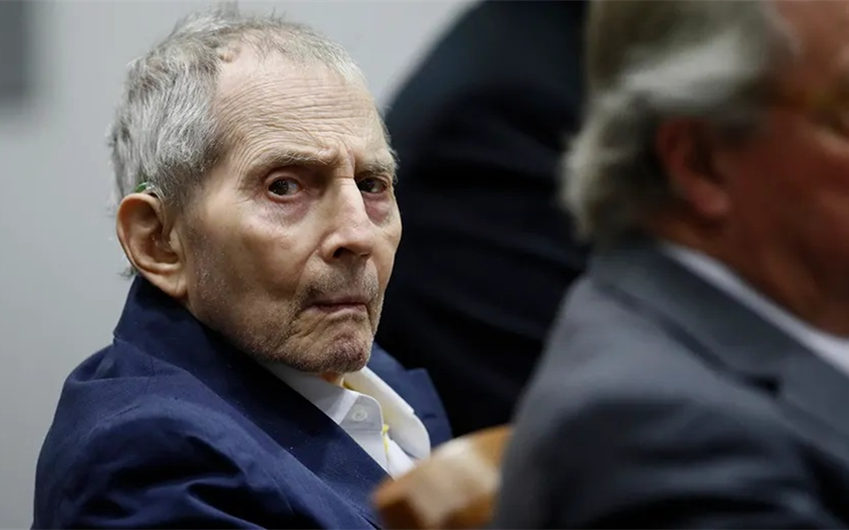
Robert Alan Durst was a New York real estate heir and the eldest son of Seymour Durst, founder of the Durst Organization’s real estate empire. He became infamous for being linked to multiple high-profile cases: the 1982 disappearance of his first wife, Kathleen “Kathie” McCormack; the 2000 killing of longtime friend Susan Berman; and the 2001 killing and dismemberment of neighbor Morris Black (a case in which he was acquitted). He was convicted in 2021 for Berman’s murder and sentenced to life in prison without parole.
Durst died in custody on January 10, 2022, while being treated at an outside hospital, according to the California Department of Corrections and Rehabilitation.
Estimated Robert Durst Net Worth
Most-cited estimate: about $65 million at the time of his death. This is one of the most frequently repeated figures in widely circulated net worth summaries.
Why you’ll see other numbers: Some sources and commentary suggest higher totals at different points in time (including claims that his fortune may have approached $100 million at certain moments), but those often reflect different assumptions: whether you’re counting only his known buyout cash, how you value private assets, and what you believe remained after years of legal costs and civil claims.
Responsible way to frame it: Durst’s net worth is best described as commonly estimated around $65 million, with the understanding that estate disputes and civil litigation can materially affect what “remained” in practice.
Net Worth Breakdown
1) The Durst family buyout (the biggest anchor point)
The most important “hard” reference in Durst’s money story is that the Durst family reportedly bought out his share in 2006 for $65 million. This buyout is the clearest explanation for why so many estimates cluster around that same figure. In other words, many net worth summaries are essentially treating the 2006 buyout amount as the baseline for his personal fortune, adjusted only lightly (or not at all) for what happened later.
This is also why some net worth estimates remain stable even though his life became chaotic: buyout money is easier to cite than private real estate stakes or complicated trust arrangements.
2) What inherited “real estate heir” wealth did (and didn’t) mean
Durst was undeniably born into a major real estate dynasty, but that doesn’t automatically mean he personally held billions in assets. Family real estate empires often keep control and ownership in trusts and corporate structures. Individual heirs may have a share, may be bought out, or may be cut out of meaningful control depending on governance and family decisions.
In Durst’s case, the buyout narrative matters because it suggests his wealth may have been shifted from “owning part of the empire” to “cash/portfolio assets” long before his most notorious legal years.
3) Legal costs and the long-term wealth drain
High-profile criminal defense and related legal battles can burn through money quickly, especially when they stretch across years and involve multiple jurisdictions. Even for someone starting with tens of millions, the combination of:
• elite legal teams,
• expert witnesses and investigators,
• prolonged court proceedings,
• and the personal costs of living while under legal pressure
can substantially reduce retained wealth over time.
This is one reason it’s risky to treat the 2006 buyout amount as “money still intact” in 2022. It may be the best-known figure, but it doesn’t automatically represent what was left after nearly two decades of expensive legal exposure.
4) Civil claims against the estate (why the final number is messy)
After Durst’s death, litigation and claims continued. The family of his first wife, Kathie, made efforts to pursue claims against the estate and associated parties, including seeking major damages. News coverage described the family notifying the trust and widow that they would seek more than $100 million, illustrating how large the civil exposure could be, regardless of what Durst “had on paper.”
Estate-related analysis has also emphasized that Durst’s assets and rights were not simply “distributed” in a clean way because lawsuits and claims can freeze, delay, or reduce what is ultimately paid out. This is where the difference between “estimated net worth” and “what anyone actually receives” becomes huge.
5) Marriage, heirs, and who might have received assets
Durst was married to his second wife, Debrah Lee Charatan, and he had no children. That typically means a spouse becomes a key figure in how an estate is handled—unless claims, judgments, or frozen assets change the outcome.
Because Durst’s estate has been contested, it’s best to treat inheritance narratives cautiously. Even if someone is the primary heir on paper, civil lawsuits and court decisions can reshape what ultimately transfers.
Featured Image Source: https://www.foxbusiness.com/lifestyle/what-is-robert-durst-net-worth