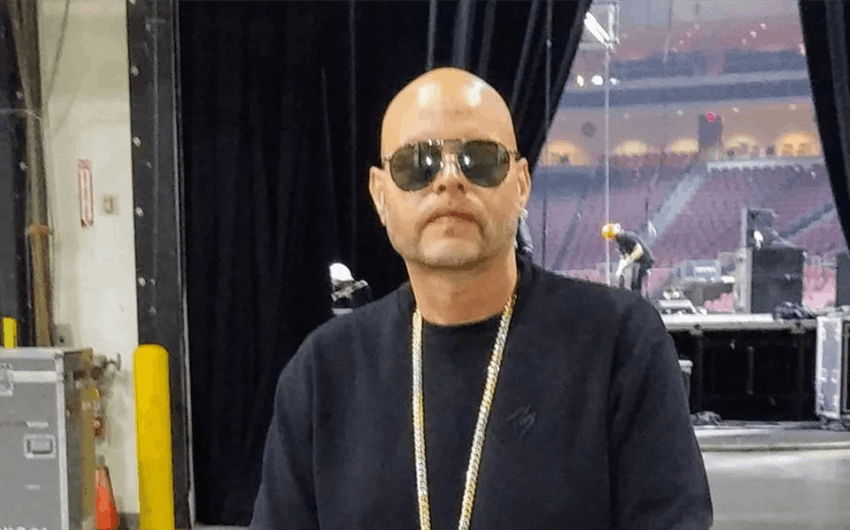
Raul Conde Net Worth in 2026: Terror Squad Career, Video Work, and Income
Raul Conde net worth is a topic that comes up because his name sits in a very specific place in hip-hop history: not always front-and-center, but woven into a major era and a major hit. He was connected to Terror Squad’s rise, and he helped shape the visuals that made the music feel larger than life. While exact financial records were never made public, we can estimate his wealth by looking at how he earned—music, video direction, production work, and the long tail of royalties and credits that can keep paying long after the spotlight moves on.
Quick Facts
- Full name: Raúl (Raul) Conde
- Known for: Terror Squad member; music video director
- Born: July 29, 1971
- Died: November 2023 (age 52)
- Height: Reported around 5’9”
- Child: One son, King Conde (born 2007)
- Relationship: Previously dated Erica Mena
- Estimated net worth: $1.5 million
- Main income sources: Music, video direction, production credits, royalties
Short Bio: Raul Conde
Raul Conde was an American rapper and music video director closely tied to the Terror Squad movement that helped define a stretch of New York hip-hop in the early 2000s. He was known for being both a creative and a trusted “in-the-circle” figure—someone who worked behind the scenes while still having a real presence in the culture. His most widely recognized mainstream credit is connected to the era when Terror Squad’s music dominated radio and clubs, especially through visual work that helped cement the group’s identity.
Short Bio: Erica Mena
Erica Mena is a reality television personality and entertainer best known for appearing in the Love & Hip Hop franchise. She became a familiar face in pop culture through her on-screen storylines, modeling work, and outspoken personality. Mena and Raul Conde were previously in a relationship and share a son together, King Conde, who was born in 2007.
Raul Conde Net Worth Estimate
Raul Conde’s estimated net worth is $1.5 million. This is an informed approximation, not a verified financial statement. His wealth was likely built from a mix of creative income streams rather than one giant “headline” payday. Artists and directors in his lane often earn in layers—project fees, label work, production roles, appearance-related money, and royalties that can keep producing income over time.
It’s also important to frame this correctly: Raul Conde passed away in November 2023, so any net worth discussion in 2026 is really referencing what he had accumulated by the time of his death, plus the continuing value of his credits and associated rights within an estate.
Where His Money Came From
Raul Conde wasn’t only one thing. He moved through hip-hop in multiple roles, and each role can create a different type of income. His overall financial picture is best understood as a combination of:
- Music involvement tied to the Terror Squad era
- Music video direction and visual production work
- Industry relationships that create paid opportunities and credits
- Royalties connected to long-running songs and media appearances
Some of those categories pay quickly, like directing fees. Others pay slowly, like royalties and licensing. Together, they can add up to meaningful long-term value.
Terror Squad and the Value of Being “Day One”
Terror Squad was more than a group name—it was a brand, a crew, and a platform. Being closely connected to that brand during its most visible years mattered financially, even if someone wasn’t the most famous face on the track. When an artist or creative is part of a successful collective, money can come from paid work, tour-related opportunities, media appearances, and the downstream benefits of being associated with a hit-making machine.
Raul Conde was often described by people around the movement as a true original member and a loyal figure in the circle. That kind of positioning can matter as much as “chart credits” because it’s what gets you trusted projects. In hip-hop, trust is currency. It’s how you get opportunities that aren’t posted online or offered to outsiders.
Music Video Direction: The “Lean Back” Effect
The biggest mainstream visual credit tied to Raul Conde’s name is the music video for “Lean Back”, which he directed alongside Jessy Terrero. If you think about how music worked in 2004, videos weren’t optional. They were marketing, branding, and identity. A hit video could elevate the entire crew, and directors who helped craft that visual moment became part of the package.
Directing a major video can pay in a few ways:
- Upfront directing fees for the work itself
- Production-related compensation depending on deal structure
- Industry momentum that leads to more projects
- Long-term credit value when the video is replayed, licensed, or referenced
Even when a director doesn’t receive “royalties” the way an artist does, the career lift from a legendary visual can be real. It increases demand, improves negotiating power, and makes future work easier to land.
Project Fees, Production Work, and Behind-the-Scenes Income
Hip-hop has always had an ecosystem of people who earn real money without being household names. Video directors, producers, and trusted creatives often get paid through project budgets. A steady stream of projects can create stable income, especially during the years when labels were spending more on visuals, promotions, and television-friendly content.
Raul Conde’s income likely included payments for creative services such as:
- Directing and co-directing
- Creative development (concepts, treatment ideas, planning)
- Production coordination for shoots and releases
- Label-related work attached to Terror Squad’s rollout era
In many cases, this kind of work is not public in detail, but it’s still the type of income that can build wealth over time, especially if someone stays active across multiple projects and maintains a strong network.
Media Appearances and Pop-Culture Visibility
Raul Conde’s name also stayed in circulation because of his connection to Erica Mena, who became widely known through reality television. While Raul was not primarily a “reality TV personality” in the way some people are, the public interest around his relationship and family connection kept his name present in entertainment conversations.
Visibility doesn’t automatically equal wealth, but it can create opportunities. When someone is a recognizable name in hip-hop culture, they may receive offers for interviews, appearances, event hosting, or one-off projects that pay. Even small opportunities can stack when a person’s name carries credibility.
Royalties, Credits, and the Long Tail of Hip-Hop Earnings
One of the most misunderstood parts of entertainment money is how long a successful era can keep paying—especially when songs and videos remain popular. A track like “Lean Back” didn’t disappear after one summer. It continued to live on through streaming, throwback playlists, club play, and cultural references.
Depending on how credits are structured, money can come from:
- Publishing (songwriting/composition rights)
- Master-related earnings (recording ownership splits)
- Performance royalties (radio/usage in some contexts)
- Licensing for TV, film, ads, or compilations
Not everyone connected to a major hit receives all of these streams. Some people receive none of them. But in general, being part of a hit ecosystem increases the chance that a person has some form of ongoing credit value—especially if they negotiated well or maintained a meaningful role across multiple projects.
Family, Fatherhood, and Personal Responsibilities
Raul Conde had a son, King Conde, born in 2007. Supporting a child and maintaining family responsibilities can shape finances in real ways—especially for creatives whose income can be uneven year to year. Even when someone has recognizable credits, their financial life is still affected by everyday realities: housing, healthcare, travel, legal costs (if any), and the general expense of living in major metro areas.
This is one reason net worth estimates for music-industry figures outside the very top tier often land in the “low millions” rather than massive numbers. It’s not always about what someone earned at their peak. It’s about what remained after real-life costs over many years.
Putting the Estimate in Perspective
An estimated net worth of $1.5 million fits the profile of someone who was connected to major moments but worked more as a creator and contributor than as the primary headliner. It reflects a career that likely included solid project income, meaningful cultural credit, and some continuing value tied to landmark work—without assuming the kind of giant endorsement checks or superstar touring money that drives eight-figure fortunes.
Raul Conde’s legacy is also part of the value conversation. In hip-hop, legacy can keep a name alive, and a name that stays alive can keep work relevant. That relevance matters for how often people revisit the music, the visuals, and the stories tied to an era.
image source: https://metro.co.uk/2023/11/24/terror-squad-rapper-raul-conde-dead-aged-52-19873129/