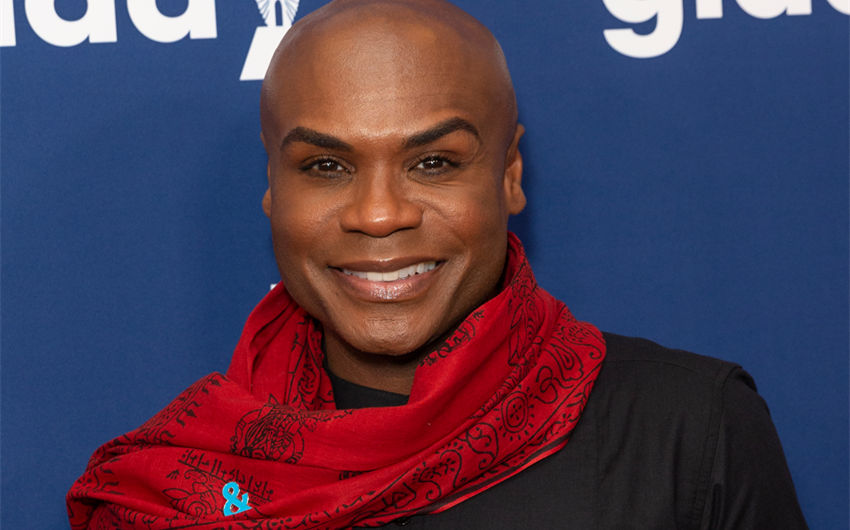
Nathan Lee Graham Husband: Is He Married? What’s Known About His Love Life
If you searched nathan lee graham husband, you’re probably hoping for a simple spouse name and a wedding date. The most accurate public answer is that Nathan Lee Graham has not publicly confirmed having a husband, and reliable, mainstream profiles do not consistently list him as married. That doesn’t mean he isn’t dating or partnered privately—it just means “husband” isn’t a label you can responsibly treat as confirmed based on what’s publicly documented.
Quick Answer: Does Nathan Lee Graham Have a Husband?
No confirmed husband is publicly documented for Nathan Lee Graham. He is openly gay, but he keeps his romantic life largely out of public view, and there is no widely verified marriage information that supports naming a spouse as fact.
Who Is Nathan Lee Graham?
Nathan Lee Graham is an American actor and singer known for a mix of comedy, stage work, and scene-stealing television appearances. If you’ve ever watched a show and thought, “Who is that person with the razor-sharp delivery and perfect timing?” there’s a decent chance it was him. He has appeared in films like Zoolander and Hitch, and he’s also built a reputation in theater—especially in musical roles where personality and precision matter.
He’s not the type of performer who needs to be the main character to become memorable. Graham often plays characters who cut through a scene with wit, confidence, and a very specific rhythm—like he’s turning dialogue into music. That’s part of why audiences keep searching him: he’s recognizable, distinctive, and yet still private enough that basic personal-life questions keep circulating.
Is Nathan Lee Graham Married?
Based on publicly available, widely repeated biographical information, Nathan Lee Graham is not clearly documented as married, and there is no consistently reported husband identity. You may see websites that confidently claim he has a husband, but those pages often recycle unsourced details or treat “partner” and “husband” as interchangeable words.
When you’re trying to be accurate, that distinction matters. “Partner” can mean many things. “Husband” implies a confirmed marriage. If a marriage were publicly confirmed, you’d typically see the same spouse information repeated consistently across reputable outlets, interviews, and updated biographies. That kind of consistent documentation isn’t there.
What We Can Say Without Guessing
Here’s the most responsible, fact-based way to describe his relationship status:
Nathan Lee Graham is openly gay, but he has not publicly confirmed a husband, and he does not appear to maintain a widely documented public marriage profile. His personal life is kept quieter than his professional life, and that privacy is deliberate.
That’s the real answer, even if it feels less satisfying than a neat “name and wedding date.” Sometimes the most accurate information is simply that the person hasn’t chosen to share it.
Why You’ll See Conflicting “Dating” Pages Online
If you’ve clicked around and found pages claiming to list his “wife,” “girlfriend,” or “husband,” you’ve bumped into the modern biography-content problem: a lot of sites are built to rank for relationship keywords, not to be careful with facts.
These pages typically work like this: they start with a template (spouse, kids, net worth, etc.), then fill in blanks with guesses, rumor, or copied text from another template page. Once one site publishes a claim, other sites repeat it, and suddenly the claim looks “verified” because it appears in multiple places—even if it all traces back to the same unsourced origin.
With someone like Graham—public enough to be searchable, private enough to leave gaps—these template sites thrive. The gap is the product.
Focusing on Him: Career Highlights That Actually Are Documented
If you’re trying to understand Nathan Lee Graham, the clearest story is his work. His career is built on range: comedy, musical theater, television, film, and the kind of guest roles that turn into fan favorites.
On stage, he’s known for roles that demand both vocal skill and character specificity. Theater audiences recognize him for bringing a big point of view to a role without flattening it into a gimmick. If a character could easily become “too much,” Graham tends to find the human pulse inside the humor.
On screen, he’s appeared in a wide spread of television—often showing up as the kind of character who makes an episode sharper just by entering it. He has a gift for making dialogue feel intentional, like every word has a purpose. That’s not accidental. That’s craft.
Why His Work Feels So Distinct
Some actors are famous for disappearing into characters. Graham is famous for making characters feel like they have a brain, a history, and a sense of style—even in a few minutes of screen time. He delivers lines with precision, and he carries a kind of fearless energy that reads as both theatrical and natural.
That’s a hard balance. Too theatrical and you look like you’re performing at the audience. Too natural and you disappear. Graham lands in the sweet spot: bold, specific, and believable.
His On-Screen Identity Versus His Real Life
One reason “husband” searches stick is that Graham often plays characters who feel fully lived-in—people with messy histories, big personalities, and complicated love lives. Audiences sometimes blur the line between character energy and real-life disclosure, assuming that someone who plays big must also share big.
But performers aren’t their roles. Some are very open off-screen; others are carefully private. Graham’s public pattern suggests he prefers to keep the focus on work, activism, and artistry rather than turning his personal relationships into public narrative.
Why Privacy Makes Sense for a Working Actor
In the entertainment world, privacy isn’t just personal preference—it can be strategy. The more a public figure’s romantic life becomes a storyline, the more it can eclipse the work. It also invites speculation that can get invasive quickly, especially for LGBTQ+ public figures whose relationships are sometimes treated like public property.
Keeping romance private can protect a partner from unwanted attention and can protect the relationship from becoming content for strangers. For many actors, that’s not secrecy. That’s boundary-setting.