Mel Gibson’s Net Worth in 2026, Who He Is, and Wealth Breakdown
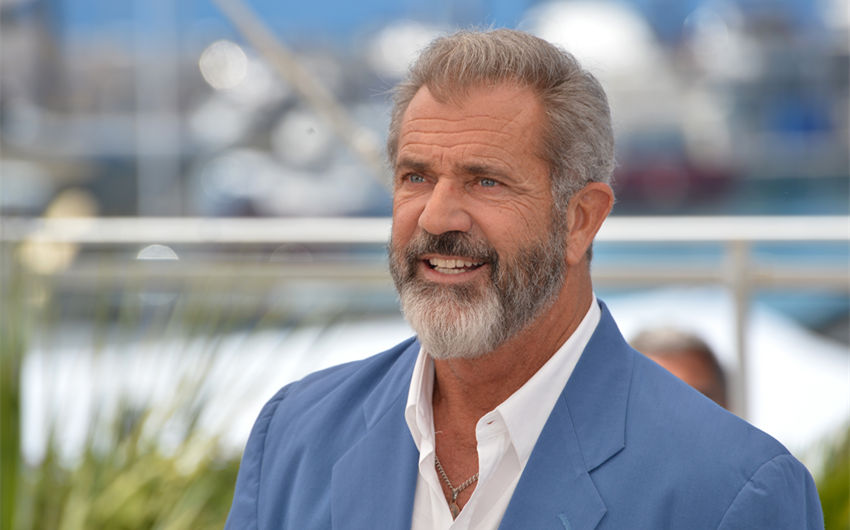
Mel Gibson’s net worth is widely estimated at around $425 million. That figure should be treated as a public estimate rather than a verified personal financial statement, but it fits the overall shape of his long career. He built his wealth through blockbuster acting, directing, producing, and especially the extraordinary financial success of The Passion of the Christ.
Who Is Mel Gibson?
Mel Gibson is an American actor, director, producer, and screenwriter whose career has stretched across several decades. He first rose to prominence through films such as Mad Max and Gallipoli, then became one of Hollywood’s biggest stars through projects like Lethal Weapon, Braveheart, and later as the director of major films including Braveheart, The Passion of the Christ, and Hacksaw Ridge.
What makes Gibson’s financial story different from that of many actors is that he did not build wealth only through starring roles. He also moved into directing and producing, which gave him access to a much larger upside than salary alone. In Hollywood, that kind of creative and financial control is often what separates a rich movie star from someone with a truly massive long-term fortune. Gibson clearly fits the second category.
Mel Gibson Estimated Net Worth
The most widely repeated estimate places Mel Gibson’s net worth at about $425 million. There is no public filing that proves that exact number down to the dollar, but it remains a believable benchmark when matched against the scale of his career.
That estimate makes sense because Gibson’s wealth was built across several major income streams. He earned substantial money as a leading actor, then added far more value through directing and producing. The biggest turning point in his financial story was The Passion of the Christ, a project that became one of the most successful filmmaker-driven bets in modern Hollywood.
That is why a figure in the hundreds of millions feels realistic. Gibson is not simply a former movie star living on old fame. He is someone who benefited from a rare combination of acting success, directing control, and unusually profitable ownership in a major film project.
Mel Gibson Net Worth Breakdown
Acting Made Him Rich First
The first major layer of Mel Gibson’s fortune came from acting. He became a huge star through the Mad Max films, the Lethal Weapon franchise, and other major movies that made him one of the most bankable actors of his time. That early success gave him the kind of financial base many actors never reach.
This matters because long-term celebrity wealth often begins with sustained leading-man success. Gibson was not someone who had one breakout role and disappeared. He spent years as a major box office draw, and that likely generated substantial earnings well before his directing career became the bigger financial story.
Directing Greatly Increased His Wealth
Another major reason Mel Gibson’s fortune climbed so high is that he became a successful director, not just an actor. Directing changes the economics of a Hollywood career because it often brings more control, larger fees, and a greater share of the profits. In Gibson’s case, films such as Braveheart and Hacksaw Ridge strengthened his value as a filmmaker, not merely a performer.
This is important because directors who also produce can build more durable wealth than actors who depend only on salary offers. Gibson appears to have followed that path. His career became broader, and with that came a much higher financial ceiling.
The Passion of the Christ Was the Biggest Financial Turning Point
The clearest single driver of Mel Gibson’s net worth is The Passion of the Christ. Public reporting over the years has repeatedly framed the film as the defining financial event of his career. Because Gibson financed it himself after struggling to secure outside backing, he kept an unusually large share of the upside once it became a massive success.
That kind of ownership position is rare in mainstream Hollywood. It helps explain why his fortune sits so far above what many actors earn even after decades of work. In simple terms, this film changed him from a very rich actor-director into someone with truly elite long-term wealth.
A normal acting career does not usually produce a fortune at this level by itself. A self-financed hit on this scale can, and that is exactly why this movie remains the most important part of his wealth story.
Producing and Creative Control Added More Long-Term Value
Gibson’s financial position also benefited from his role as a producer and creative decision-maker. People who produce films often have more ways to profit than actors who are only hired to appear on screen. They may control budgets, own a stake in a project, and benefit more directly from strong performance.
That kind of structure makes a career more financially durable. Instead of relying entirely on being cast in roles, Gibson built a position where his influence behind the camera could continue generating value. Over a long career, that can make a huge difference to total wealth.
Ongoing Film Work Helps Keep His Brand Valuable
Even in the later stages of his career, Gibson has remained active in film. Continued involvement in acting and directing matters because it keeps both his industry relevance and public profile alive. Even when newer projects are not as financially transformative as earlier hits, they still reinforce the value of a major Hollywood name.
This is another reason his wealth remains substantial. His career did not simply stop after one phase of success. He stayed active long enough to keep his name commercially useful, and that kind of longevity matters in entertainment finance.