Dara Khosrowshahi Net Worth in 2026: Estimate, Uber Pay, and Stock Wealth
Dara Khosrowshahi is one of the most financially visible CEOs in tech—partly because he runs a public company, and partly because so much of his wealth is tied to stock. If you’re searching dara khosrowshahi net worth, here’s the clean truth: there’s no single “official” number he’s publicly confirmed, so the internet’s one-line answers are always estimates. The most defensible way to talk about his wealth is to anchor it to what’s most measurable: his Uber equity, reported executive compensation, and a long executive track record that includes more than a decade running Expedia.
Who Is Dara Khosrowshahi?
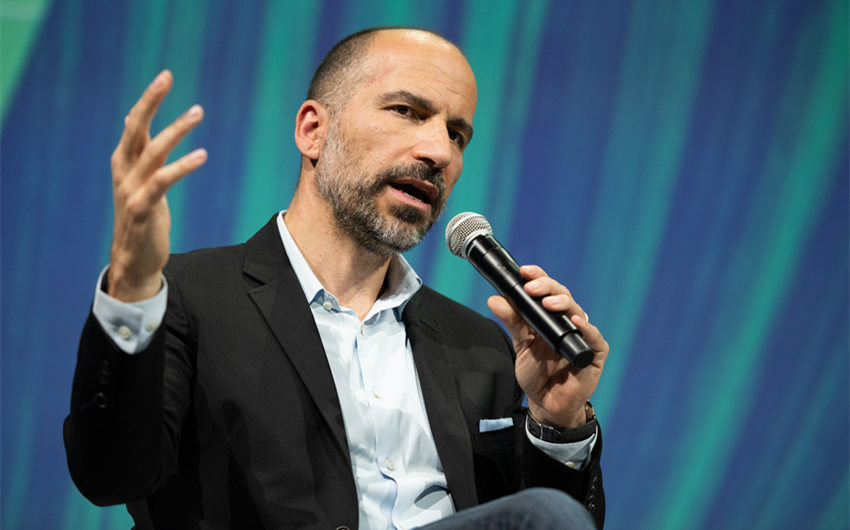
Dara Khosrowshahi is an Iranian-American business executive best known as the CEO of Uber. He took the top job in 2017, stepping into a high-pressure role that required rebuilding trust with regulators, improving corporate governance, and turning Uber into a more stable, cash-generating business.
Before Uber, he spent more than a decade as CEO and president of Expedia (from 2005 to 2017). That period matters for his net worth story because senior executive roles at major public companies typically generate substantial compensation over time—salary, bonuses, and, most importantly, equity awards that can compound if the stock performs well.
Even earlier, Khosrowshahi held senior roles at IAC, including CFO, which is part of why his career has always been tied to large-scale, publicly traded businesses where stock-based pay is a major part of compensation.
Estimated Dara Khosrowshahi Net Worth
Most responsible estimate range in 2026: roughly $110 million to $280 million.
This range exists because different “insider net worth” trackers use different methods and different dates. Some estimates emphasize only clearly attributable Uber holdings (shares and options disclosed through filings), while others attempt to model a broader picture that can include accumulated proceeds from prior sales, vesting schedules, and other assets that aren’t fully visible to the public.
Why you’ll see two different “credible-looking” numbers:
Lower-end estimates (around $110M): Some trackers focus on a conservative, filing-based approach—what can be directly tied to currently held Uber shares and disclosed value at a given stock price. One widely referenced insider tracker recently placed his estimated net worth at “at least” roughly $112 million, with a large portion tied to his Uber shares.
Higher-end estimates (around $280M): Other platforms model a larger figure by incorporating a longer view of trading activity and stock-sale proceeds over time. Another commonly referenced tracker estimated his net worth at roughly $284 million (as of an October 2025 snapshot), citing both current holdings and the value of shares sold over several years.
What to take away: It’s reasonable to describe Khosrowshahi as a nine-figure executive, with public estimates ranging from the low $100 millions into the high $200 millions, depending on methodology and market timing.
Net Worth Breakdown
1) Uber stock ownership (the biggest, most visible piece)
Khosrowshahi’s wealth is heavily stock-driven. That’s important because stock-based net worth can change quickly. If Uber shares rise or fall, his estimated net worth rises or falls with them—even if his salary stays the same.
Public insider trackers and SEC filing summaries commonly list him owning on the order of about one million shares (with the exact number shifting due to vesting, sales, and reporting timing). At modern Uber share prices, that alone can translate into tens of millions of dollars in equity value. This is why you’ll often see net worth estimates anchored to “stock worth over $70 million” or similar phrasing: the share count is observable, and the math is straightforward.
One important nuance: headline net worth figures can look large even when the “cash in hand” isn’t. A CEO can be worth $150 million largely on paper while still having most of that value tied to shares that fluctuate and are often subject to trading plans and tax obligations when they vest.
2) Equity awards and annual CEO compensation (big numbers, but not all cash)
Uber’s CEO compensation has been heavily equity-based, which is common for major tech companies. In reporting tied to Uber’s filings, Khosrowshahi’s total compensation for 2024 was widely described as about $39.4 million, up substantially from the prior year, largely because the value of stock awards increased.
This matters for net worth in two ways:
First, even if an annual pay figure looks enormous, much of it can be stock and options rather than cash salary. Stock awards often vest over time, which means the real value depends on both staying employed and the stock price at vesting.
Second, equity awards can compound. If Uber’s stock rises over years, the same number of shares becomes far more valuable, and net worth can climb quickly without any change in job title.
3) Share sales and liquidity events (turning “paper wealth” into real wealth)
CEO wealth isn’t only about what they currently hold; it’s also about what they’ve already sold. Khosrowshahi has periodically sold shares under pre-arranged trading plans, which is normal for executives whose compensation is equity-heavy.
For example, public filing summaries and market coverage have described large planned share sales in 2025 (including a transaction involving 300,000 shares executed under a 10b5-1 plan). These sales can matter for net worth estimates because they represent liquidity—money converted from stock into cash (after taxes).
That said, it’s easy to misunderstand what a sale means. Selling $20–$30 million worth of shares doesn’t mean he “made $30 million profit” in a simple sense. Taxes can take a significant portion, and executives often sell shares to cover tax bills triggered by vesting, diversify holdings, or manage personal financial planning.
4) Expedia-era earnings and long-term executive accumulation
Khosrowshahi’s wealth wasn’t created only at Uber. He spent 12 years leading Expedia as CEO and president, which likely provided substantial cumulative compensation over time. While the public may not track those years as intensely today, long executive tenures at major public companies typically include meaningful equity grants, bonuses, and long-term incentive plans.
In net worth terms, this matters because it explains how a leader can arrive at Uber already wealthy—and then amplify that wealth with a second major CEO run. If you’re building a nine-figure net worth, a decade-plus at one major company plus another long run at a second company is a classic pathway.
5) Board roles and additional income streams
High-profile CEOs often receive additional compensation through board service, advisory roles, and related corporate involvement. These typically aren’t the main driver compared to Uber equity, but they can add meaningful incremental income over time. Khosrowshahi has been associated with Expedia’s board for many years even after leaving the CEO role, which is consistent with the broader pattern of executive income diversification.
6) The “hidden” variables: taxes, investments, and what the public can’t see
The biggest reason net worth estimates vary is that the public doesn’t see the full balance sheet. Net worth is assets minus liabilities, and most of the following are private:
Personal investment portfolio beyond Uber shares, real estate holdings, tax planning structure, trusts, charitable giving, and any liabilities or private financing arrangements.
So even if two trackers agree on his Uber share count, they can still disagree on net worth because they handle those invisible variables differently—or they choose not to model them at all.