Stephen Deleonardis Net Worth in 2026: YouTube Ban, Brands, and Business Income
Stephen Deleonardis net worth is a popular search because his career doesn’t follow the usual influencer path. He blew up with outrageous challenge content, became a core figure around the NELK universe, then had to pivot when YouTube shut his channel down. Even with platform changes and controversy, his name still pulls attention, sponsorships, and business opportunities. While his exact finances aren’t public, you can get a realistic estimate by looking at his audience size, brand partnerships, and the businesses tied to his circle.
Quick Facts
- Full name: Stephen Deleonardis
- Also known as: SteveWillDoIt
- Birthday: August 26, 1998
- Age in 2026: 27 (turning 28 in August)
- Birth sign: Virgo
- Profession: Content creator, influencer, entrepreneur
- Known for: Viral challenge videos, giveaways, NELK collaborations
- Relationship: Long-term relationship with Celina Smith
- Estimated net worth: $5 million
- Main income sources: Sponsorships, content deals, brand partnerships, business ventures
Short Bio: Stephen Deleonardis
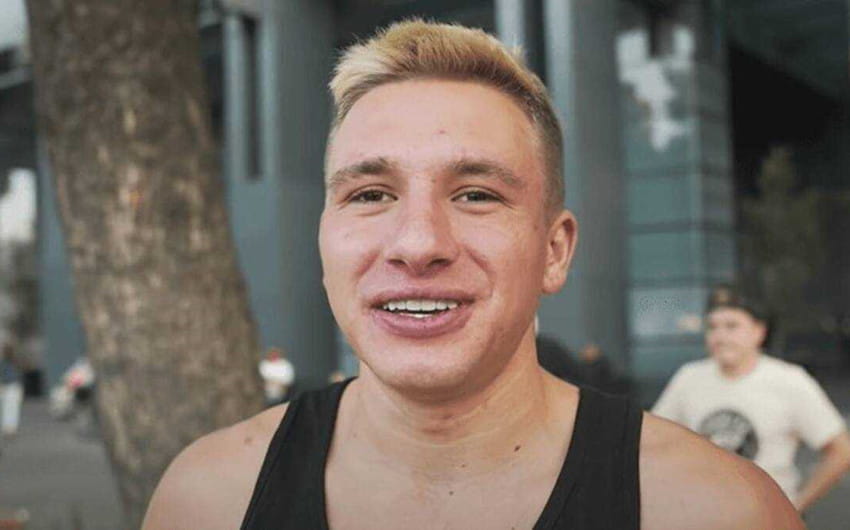
Stephen Deleonardis, better known online as SteveWillDoIt, is a creator who built his name on extreme, attention-grabbing challenge content. His early growth came from a simple formula: do something most people wouldn’t do, film it clearly, and keep the pace fast. That style made him a natural fit around other high-energy creators, especially the NELK circle, where “big stunts” and “big moments” are part of the brand. Over time, his content shifted from pure shock value into a mix of lifestyle, gambling-adjacent streams, collaborations, and headline-making giveaways that kept fans watching.
Short Bio: Celina Smith
Celina Smith is a social media personality who has been publicly connected to Stephen Deleonardis for years and has appeared in and around his online world. She has her own following, but most mainstream attention around her name comes from her long-term relationship with Steve. In influencer culture, a long-running relationship often becomes part of the “brand story,” especially when the couple is visible online and fans feel invested in their day-to-day life.
Stephen Deleonardis Net Worth Estimate
In 2026, Stephen Deleonardis is commonly estimated to be worth around $5 million. Public estimates can vary because influencers don’t publish earnings reports, and a lot of their money comes from private deals. Still, that $5 million figure is believable when you consider three things: how valuable his audience is to advertisers, how much branded content can pay at his level, and how influencer-backed products can generate real profit when the marketing machine is strong.
How He Built Wealth Before the YouTube Ban
Before his channel was removed, YouTube was likely his cleanest and most predictable income stream. Creators at his size can earn from ads, but the bigger money is usually layered on top of the videos: sponsorship integrations, affiliate promotions, and brand deals tied to view counts. Steve’s content was made for high watch time and repeat viewing, which is exactly what platforms and advertisers like.
His audience also wasn’t built around one “viral fluke.” It was built around a repeatable character: the guy who will actually do the challenge, actually take the risk, and then make it entertaining. That kind of identity makes it easier to sell products and promotions because fans feel like they know what they’re getting every time they click.
The YouTube Termination and the Pivot
In August 2022, Steve’s YouTube presence took a major hit when his channel was permanently removed, widely reported as related to repeated policy violations and gambling-related promotional content. Losing YouTube doesn’t only affect ad revenue; it can also reduce sponsor demand, because many brands still treat YouTube as the “premium” platform for long-form creator marketing.
But the ban also forced a business pivot. When a creator already has a strong name, the audience usually follows them elsewhere. That’s the difference between “a channel” and “a brand.” Steve didn’t have to start from zero; he had to redirect traffic.
Alternative Platforms and Content Deals
After YouTube, creators like Steve typically rebuild around a mix of platforms where monetization is more flexible. That can include streaming sites, subscription-based content, sponsor-supported uploads, and direct partnerships. The goal becomes less about ad revenue and more about paid placement: brands paying for access to his audience regardless of what platform he posts on.
He has also maintained a presence on Rumble, where creators often lean on sponsorships and platform-specific audience support rather than traditional YouTube-style ad income. For creators who can drive clicks, even a smaller platform can still be profitable because the audience is highly concentrated and the promotion style is more direct.
Brand Deals and Sponsorships
For most influencers at Steve’s level, sponsorships are the real engine. A single brand integration can be worth more than many creators make from ads in a month, especially when the creator’s audience is loyal and action-driven. Steve’s brand is built around high-risk, high-reaction content, and that tends to attract categories that want bold marketing.
The trade-off is that some sponsorship categories come with reputational risk. When brands are controversial or regulated, creators can face platform scrutiny, public backlash, and sudden deal changes. That volatility is part of the influencer economy, and it’s one reason net worth estimates can swing. A good year of deals can be huge, and a year of restrictions can be smaller.
NELK, Full Send, and the “Ecosystem” Advantage
One reason Steve has remained financially relevant is that he’s not operating alone. Being connected to a larger creator ecosystem can multiply income because it creates constant collaboration, constant visibility, and constant product marketing. In a strong creator group, each person’s audience becomes a shared pool, and that shared pool is valuable.
This ecosystem advantage also makes it easier to launch products. Instead of spending years building a customer base, you can launch to millions of fans on day one. That’s how influencer-backed merchandise and lifestyle products can scale fast, even if the creator is no longer on YouTube full-time.
Happy Dad and Influencer-Backed Business Income
Beyond content, a major wealth driver for creators in the NELK orbit is business ownership and product participation. Happy Dad (a hard seltzer brand tied to the same circle) is frequently mentioned in discussions of Steve’s income mix. Whether his role is ownership, partnership, or promotional equity, the financial logic is the same: if you’re helping move product at scale, you can earn far more than you would from ads alone.
Business income also tends to be “stickier” than platform money. Platforms can ban you overnight, but a product brand can keep selling as long as demand stays strong and distribution holds up. That’s why creators who reach Steve’s level often prioritize deals that include equity or revenue share, not just a one-time check.
Giveaways as Marketing
Steve is known for big giveaways, and while giveaways look like pure generosity, they can also function as marketing. In the creator world, giveaways can increase engagement, bring attention to sponsors, and keep a creator’s name circulating online even during quieter content periods.
They also reinforce a specific brand identity: the creator who “really does it” and “really gives.” That reputation can attract sponsors who want the halo effect of being associated with someone who looks generous and community-focused.
Controversy, Regulation, and Money Risk
When an influencer’s income is tied to regulated categories, the risk level rises. Gambling-related promotions, in particular, have faced increased public and legal scrutiny in multiple places. That doesn’t automatically translate to personal liability for every creator who ever promoted a brand, but it does explain why platforms tighten rules and why creators sometimes lose accounts or deals without much warning.
A good example of the wider environment is the ongoing legal attention around certain gambling platforms and their operations in specific jurisdictions. That broader pressure tends to affect creators indirectly, because it changes what sponsors are willing to do publicly and what platforms are willing to allow.
So, What’s the Most Realistic Takeaway?
An estimated $5 million net worth in 2026 fits a creator who earned heavily during peak YouTube years, then kept monetizing through sponsorships, collaborations, and business-driven income even after losing his main channel. The biggest reason he’s still financially strong is simple: his name still moves attention, and attention is what brands pay for. As long as he keeps an engaged audience and stays connected to profitable product ecosystems, his wealth can remain significant even without a traditional YouTube empire.
image source: https://www.tuko.co.ke/facts-lifehacks/celebrity-biographies/473425-who-stevewilldoits-girlfriend-everything-know/